The role of fungicides in agriculture
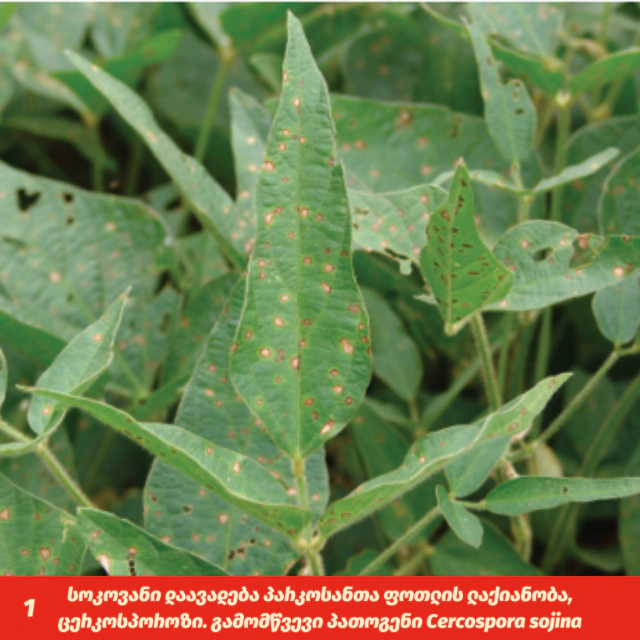
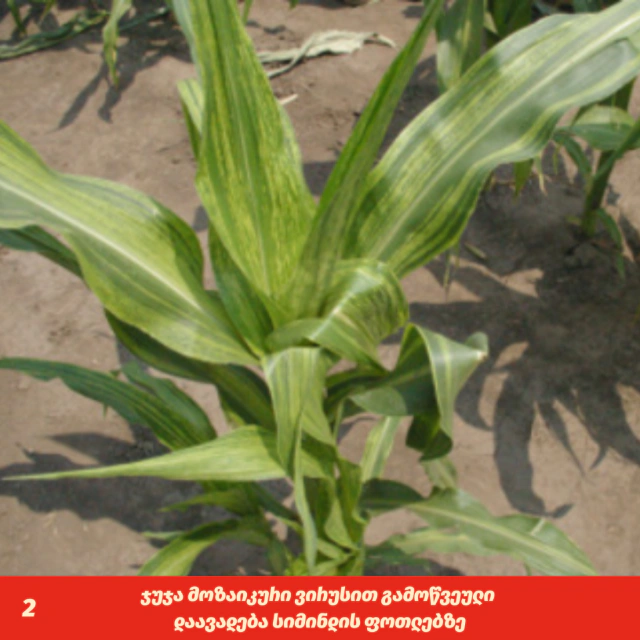
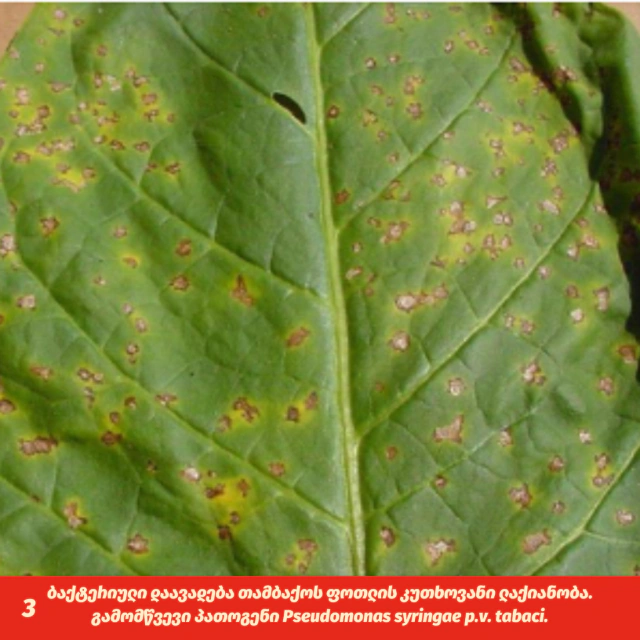
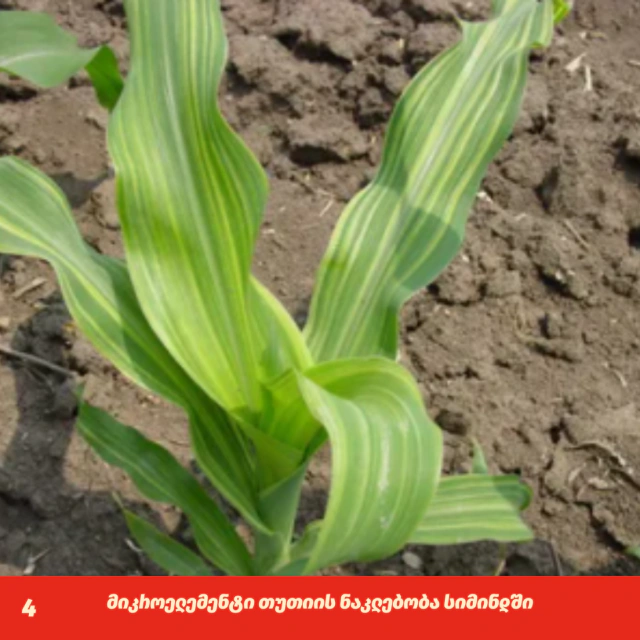
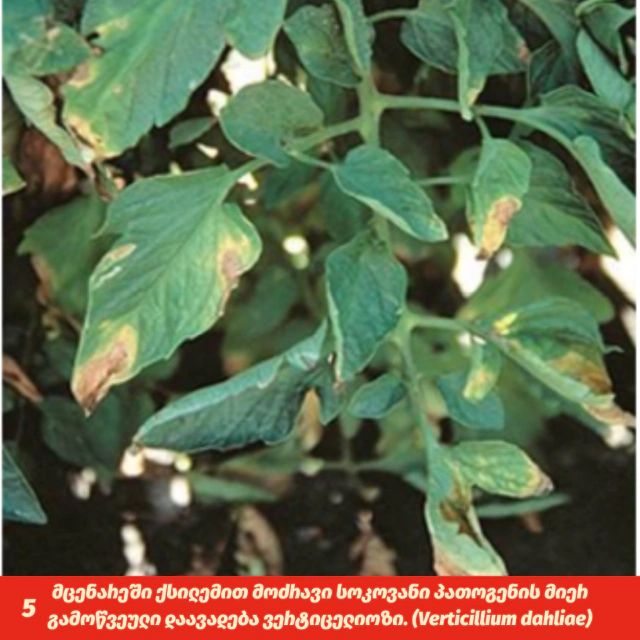
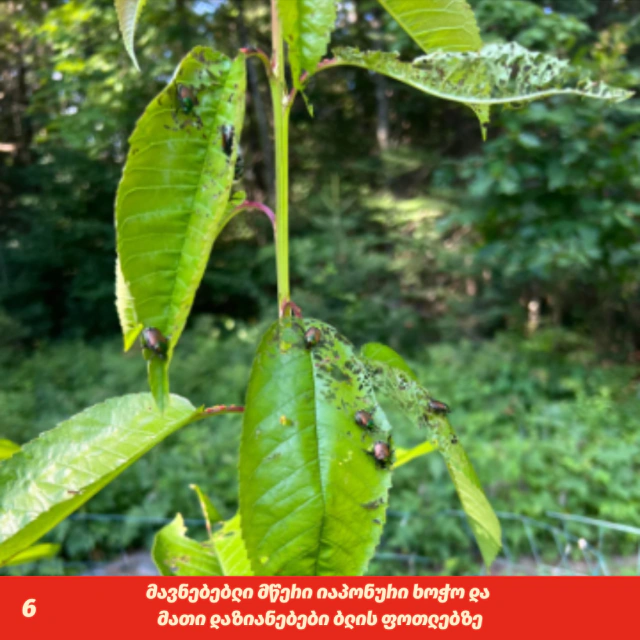
What is a fungicide? Plant diseases caused by pathogenic organisms are one of the main sources of crop losses. Among them, fungal diseases (Photo 1) can be considered the leading cause. Bacteria (Photo 3), viruses (Photo 2) and nematodes also cause disease and crop losses. Plants can show similar symptoms in response to abiotic, or non-living, factors such as nutrient deficiencies (Photo 4) and air pollution. Fungicides, herbicides and insecticides are all pesticides used in crop protection. A fungicide is a specific type of pesticide that controls fungal disease by inhibiting or destroying the causal fungus. However, fungicides do not control every fungal disease. Examples include diseases that move through the xylem, such as Fusarium and Verticillium wilts (Photo 5). Conditions caused by abiotic factors and insects (Photo 6) are not cured by fungicides. It is therefore essential to identify the cause of symptoms before applying a fungicide. Why are fungicides needed? Plant diseases are common and often have a substantial effect on yield and crop quality. Disease management is therefore an essential part of producing most crops. There are 3 main reasons for using fungicides: 1) To control fungal diseases during plant establishment and development. 2) To increase yield and improve crop quality. Pathogenic fungi reduce fruit quality and damage the leaves needed for photosynthesis. Removing these constraints is essential for a high-quality harvest. Fungal pathogens can reduce or eliminate the suitability of fruit and vegetables for consumption and spoil the appearance of ornamental plants, ultimately affecting market value. 3) To improve the storage life and quality of harvested produce, because some fungal diseases become apparent only after harvest. These storage diseases often make stored fruit, vegetables and seed unusable. Some pathogens that infect cereals produce mycotoxins, which can cause serious harm when consumed by people or animals. The role of fungicides in disease management Plant disease control is best approached through a combination of methods. These include crop rotation for annual fruit and vegetable crops; selection of disease-tolerant or resistant varieties; suitable planting dates; appropriate fertilisation; sanitation; and fungicide treatments. Experience shows that fungicides are an important part of disease management because they provide satisfactory control of many diseases. Cultural practices alone often cannot prevent disease effectively; resistant varieties may not be widely available or may have limited market value; and some high-value crops have very low tolerance to fungal disease. Unlike medicines used in human or veterinary care, most agricultural fungicides are best applied before symptoms appear, or at the latest, as soon as they become visible. Fungicides cannot remove established symptoms, even when they kill the pathogen responsible. This is because plants grow and develop differently from animals. Fungicides generally protect new, uninfected green growth. Some compounds are effective after a pathogen has infected the plant. These have what is known as curative activity: they may prevent disease from developing in green tissues within a few days of pathogen entry. Many fungicides act at a specific target site in the pathogen’s cells. This can mean lower potential toxicity to people and other organisms, but it also creates a greater risk of fungicide resistance. A resistant pathogen can render a particular fungicide ineffective. Fungicides designed to act on specific enzymes or proteins produced by the target fungus do not damage plant tissues and can penetrate and move within leaves. This gives them curative properties and extends protection to green tissues that develop after spraying. Because their action is highly specific, even a small genetic change in the fungus can overcome their effectiveness and produce resistance. Treatment programmes based only on curative applications after symptoms appear allow resistance to develop more quickly. The reasons include: (a) Large pathogen populations, which may already contain resistant strains that survived earlier treatments. (b) The difficulty of getting fungicides into the plant and controlling a pathogen that has already entered its tissues. Farmers often use disease-forecasting systems and integrated pest management (IPM) to determine when to apply fungicides. This helps avoid excessive use, reduce costs and limit potential environmental harm. Forecasting systems have been developed for a number of diseases based on an understanding of the conditions that favour their development. These generally include temperature, relative humidity and leaf wetness. IPM involves routine monitoring for symptoms and applying fungicides when disease reaches a critical threshold beyond which satisfactory control may no longer be possible. An example of such a threshold is one symptomatic spot per 5 leaves. Using forecasting systems and IPM requires an understanding of the pathogen’s life cycle. Important aspects include whether the disease is monocyclic, with one generation per year, or polycyclic, with multiple generations, and the latent period between infection and the production of new inoculum. Application methods Fungicides are manufactured in various forms, including powders, granules, gases and, most commonly, liquids. They can be applied: (a) To seeds, bulbs, tubers and the roots of transplants. Seed treatment is usually carried out by the manufacturer, although some treatments are made immediately before sowing or planting. The aim is to prevent soil-borne fungi from attacking planting material during germination and the early stages of seedling development. (b) To the substrate or soil after planting or transplanting fruit trees or vegetable seedlings, through incorporation, drip irrigation or a drench around the base of the plant. (c) As sprays onto leaves and other above-ground plant parts. (d) By injection into the plant. (e) As dips or sprays on harvested produce. Fungicides are sold as formulated products containing an active ingredient and inert ingredients. They are usually diluted in water and applied as an aqueous solution. Application equipment ranges from handheld and backpack sprayers to tractor-mounted equipment, drones and helicopters. Some fungicides are applied undiluted as dusts. In greenhouses, they may also be used as smoke, fog or aerosols. The spray solution must fully cover susceptible green tissues because not every fungicide can move within the plant and protect untreated areas. Spraying and dusting systems are continually being improved to achieve better coverage. Effective control of many diseases requires repeated applications. These protect new growth and replace fungicide lost through chemical breakdown, ultraviolet degradation, rain wash-off and wind exposure. Types of fungicides and definitions Fungicides can be classified according to several characteristics. Mobility within the plant: contact or systemic Contact fungicides remain active on the plant surfaces where they are deposited, creating a chemical barrier between the plant and the pathogen. They do not move within the plant. Systemic fungicides are absorbed into plant tissues. Most move only a short distance from the application site. For example, a fungicide applied to one side of a leaf may reach the other side. This is known as local-systemic or translaminar activity. Some systemic fungicides move farther and can protect an entire leaf when applied to only part of it. Others move through the xylem. When applied to soil, these are absorbed by the roots and carried upwards in the transpiration stream, protecting both existing leaves and leaves that develop after treatment. When xylem-mobile fungicides are applied to leaves, they can move from the treated surface to the opposite side of that leaf area, but not necessarily to an untreated part of the leaf. Foliar application of these fungicides also leaves roots unprotected because the transpiration stream does not move downwards towards the roots. Fungicide deposited on stems can, however, move upwards to newly developing green tissues. Amphimobile fungicides move through both the xylem and phloem and are also called true systemic fungicides. They can move in both directions: from treated leaves to other leaves and down to the roots, and vice versa. Systemic fungicides can no longer move within the plant after translocation. Role in crop protection: preventive or curative Contact fungicides are suited to preventive use because they act through direct contact with the pathogen. Reapplication is needed to protect new growth and restore activity lost through rain wash-off or sunlight exposure. Contact fungicides often leave visible deposits on plants for some time. Because they can penetrate plant tissues, some systemic fungicides have curative as well as preventive activity, acting on pathogens after infection has occurred. Target sites: single-site and multi-site activity Single-site fungicides act at one point in a pathogen’s metabolic pathway or against one enzyme or protein essential for fungal survival. Single-site fungicides with systemic properties are highly specific in their toxicity, have limited effects on most non-target organisms and can be safely absorbed by plants. This specificity also makes resistance more likely. Inappropriate or excessive use can select for a mutation in the gene encoding a single target protein or enzyme, allowing the pathogen to resist the fungicide. Contact fungicides generally act at several target sites simultaneously and can control many fungal pathogens from different groups. The introduction of in vivo methods and stricter regulatory requirements for registering new active ingredients has made it more difficult to bring new contact fungicides to market. Manufacturers have consequently focused on single-site systemic fungicides, which has further increased the opportunity for resistance to develop. Fungicides can also be classified as narrow-spectrum or broad-spectrum. Narrow-spectrum fungicides are effective only against closely related pathogens. They are generally systemic products with single-site activity. Broad-spectrum fungicides can often control many unrelated pathogens. Most are contact fungicides with multi-site activity, although some have single-site activity. Other fungicides fall between the narrow- and broad-spectrum categories. Modes of action Fungicides affect pathogens by damaging cell walls, inhibiting essential enzymes or proteins, or disrupting processes such as energy production and respiration. They may also act on specific metabolic pathways, including sterol or chitin production. For example, phenylamide (PA) fungicides bind to and inhibit RNA polymerase in oomycete pathogens. Benzimidazole (MBC) fungicides prevent the formation of beta-tubulin polymers required for nuclear division. Azole (DMI) fungicides inhibit C14 demethylation in sterol biosynthesis. Some products do not act directly on the pathogen. Instead, they trigger a defensive response in the host plant known as systemic acquired resistance (SAR). SAR inducers generally mimic plant chemical signals that activate defence mechanisms, including cell-wall thickening and the production of proteins that act against pathogens. Their use is somewhat limited because many pathogens can already overcome these resistance mechanisms. Understanding how a fungicide affects the pathogen is useful when selecting a product. Its mode of action determines which fungal organisms it can suppress and, therefore, which diseases it can control. Alternating fungicides with different modes of action is also often necessary to prevent resistance. Biochemical mode of action is the main basis for classifying fungicides into groups. The Fungicide Resistance Action Committee (FRAC) provides a detailed classification of fungicides by chemical group: http://www.frac.info/frac/index.htm Fungicides within a chemical group share a mode of action and resistance mechanism, even when their chemical structures differ. Chemical types: inorganic and organic Fungicides can also be classified by their chemical components. In chemistry, organic molecules contain carbon atoms, whereas inorganic compounds do not. The earliest fungicides were inorganic compounds based on sulphur and metals such as copper, tin, cadmium and mercury, which were toxic to fungi. Copper and sulphur remain widely used in agriculture. Most fungicides used today are organic compounds containing carbon. Here, “organic” refers to chemical composition and is different from the term used to describe organic farming. Additional definitions Active ingredient (a.i.): The principal pesticidal substance, patented, synthesised and registered by the manufacturer. Biofungicide: A product with fungicidal activity based on natural microbial or biochemical components. These include: (a) Microbial biopesticides: Products based on a biological control agent — an organism that directly suppresses or displaces a pathogen or pest. Examples include Trichoderma strains. (b) Plant-produced biopesticides: Pesticidal substances produced by plants, together with the genetic material needed to produce them. For example, scientists can introduce a gene for a specific Bacillus thuringiensis (BT) pesticidal protein into a plant’s genetic material. The plant then produces the protein, which controls the pest when it feeds on the plant. (c) Biochemical biopesticides: Products containing naturally occurring substances, including some plant extracts. Biochemicals may act directly on disease-causing organisms or activate systemic acquired resistance (SAR) in the plant. Biopesticides generally have a narrow activity spectrum, low toxicity and rapid degradation and are therefore considered to have relatively low potential for adverse environmental effects. Examples of contact and systemic fungicides by active ingredient Contact: Inorganic copper, inorganic sulphur, mancozeb, captan, folpet and ziram. Local-systemic or translaminar: Trifloxystrobin, pyraclostrobin, kresoxim-methyl and cymoxanil. Xylem-mobile, acropetal: Thiophanate-methyl, azoxystrobin, difenoconazole, tebuconazole, propiconazole, mefenoxam and metalaxyl. Amphimobile, true systemic: Fosetyl-aluminium, phosphorous acids and their salts. Animated examples of fungicide mobility Contact fungicide — foliar application. Animation transcript: Most of the fungicide solution is sprayed onto the upper surfaces of the leaves at the top of the plant. A smaller amount reaches their undersides, while the remainder is distributed over lower leaves and stems. The droplets spread across the treated surfaces but do not move into the leaf. Leaves that develop after spraying are therefore not protected. Contact fungicides are formulated to remain on treated plant parts and minimise the risk of rain wash-off. Local-systemic or translaminar fungicide — foliar application. Animation transcript: After spraying, the fungicide on the leaf surface penetrates the green tissues and protects the leaf against the pathogen. Note that roots, new growth and the leaf that was not sprayed remain unprotected. 3. Xylem-mobile systemic fungicide — soil application. Animation transcript: Fungicide applied around the roots is distributed within them and then moves upwards in the transpiration stream, protecting the upper plant parts. Because roots continue absorbing the fungicide for several days, newly developing green growth is also protected. Xylem-mobile systemic fungicide — foliar application. Animation transcript: Fungicide sprayed onto a leaf moves into its tissues and protects that leaf. Note that leaves not reached by the spray remain unprotected. Fungicide deposited on stems can move upwards towards new leaves in the transpiration stream, but cannot move downwards to the roots. Amphimobile, true systemic fungicide — foliar application. Animation transcript: After application, the fungicide moves into the leaf. Some products of this type enter the phloem and then move both upwards towards new green tissues and downwards towards the roots, protecting the entire plant. Examples include phosphonate fungicides with FRAC code P 07. Article prepared by: Agronomist: Davit Dabrundashvili Company: IOTO Agro | www.iotoagro.ge | 0322 11 1717 Sources: https://www.apsnet.org/edcenter/disimpactmngmnt/topc/Pages/Fungicides.aspx Margaret McGrath, Cornell University — What are fungicides? https://pesticidestewardship.org/resistance/fungicide-resistance/fungicide-terms-to-know/ Wayne Buhler, North Carolina State University — Pesticide stewardship.
Add Your Heading Text Here